
As people age, everyday tasks that were once simple can become more difficult. One of the biggest challenges many seniors face is transportation. Whether due to declining vision, reduced mobility, chronic health conditions, or the inability to drive safely, getting to appointments and running essential errands can become increasingly stressful. Unfortunately, transportation barriers often lead to missed healthcare visits, greater isolation, and reduced independence.
Non-emergency medical transportation, commonly known as NEMT, helps address these challenges by providing seniors with reliable, safe, and accessible transportation designed around their specific needs. For many older adults, these services play a major role in maintaining both health and quality of life.
The Challenges Seniors Face with Transportation
Transportation difficulties affect seniors in many different ways. Some older adults stop driving because of vision changes, slower reaction times, or medical conditions that make operating a vehicle unsafe. Others may still drive but feel uncomfortable traveling long distances, navigating heavy traffic, or driving at night.
Public transportation is not always a practical solution. Bus stops may require long walks, schedules may be difficult to manage, and many systems are not designed to fully accommodate mobility limitations. For seniors who use walkers, wheelchairs, or canes, even getting to and from public transit can become physically exhausting.
Family members often try to help when possible, but caregivers may not always be available due to work schedules or other responsibilities. Over time, relying entirely on friends or family for rides can become stressful for everyone involved.
How Transportation Barriers Affect Healthcare
Transportation problems can quickly impact a senior’s ability to maintain good health. Routine checkups, specialist visits, physical therapy sessions, and preventive screenings all require reliable access to care. When transportation becomes difficult, seniors may delay appointments or skip them entirely.
Missed appointments can lead to unmanaged conditions, delayed diagnoses, and worsening health outcomes. For seniors managing chronic illnesses such as diabetes, heart disease, or kidney disease, consistent medical care is especially important.
Transportation barriers can also affect medication management. Seniors who struggle to reach pharmacies or follow-up appointments may face interruptions in treatment that increase health risks over time.
The Emotional Impact of Losing Transportation Independence
Transportation challenges affect more than physical health. Losing the ability to drive or travel independently can feel like a loss of freedom for many seniors. It may lead to frustration, anxiety, or feelings of isolation.
Without reliable transportation, older adults may begin limiting social activities, community involvement, or even routine errands. Over time, this reduced independence can affect emotional well-being and contribute to loneliness.
Maintaining access to transportation helps seniors stay connected to both healthcare and daily life, supporting a greater sense of confidence and independence.
How NEMT Provides a Solution
Non-emergency medical transportation is specifically designed to support individuals who need assistance getting to healthcare appointments safely and reliably. Unlike standard transportation services, NEMT focuses on accessibility, comfort, and patient support.
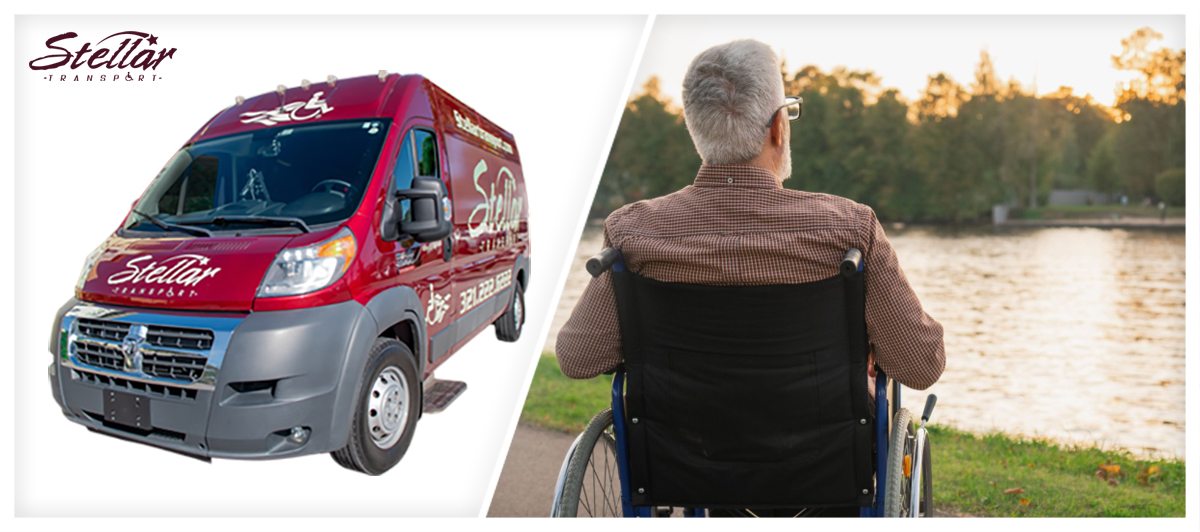
Vehicles are equipped to accommodate wheelchairs, walkers, and other mobility devices. Drivers are trained to assist seniors with entering and exiting the vehicle safely, reducing the risk of falls or injury. Door-to-door service provides additional support, ensuring seniors are not left navigating parking lots or busy entrances alone.
Scheduling rides in advance also helps create structure and predictability. Seniors know when transportation will arrive, reducing stress and making it easier to maintain regular appointments.
Supporting Independence and Daily Stability
Reliable transportation does more than help seniors attend medical visits. It helps preserve independence. When older adults have dependable access to transportation, they are better able to manage their healthcare, maintain routines, and remain active in their communities.
This stability supports both physical and emotional well-being. Seniors can focus on staying healthy rather than worrying about how they will get to their next appointment. Families also gain peace of mind knowing their loved ones have safe and professional transportation available.
For many seniors, NEMT becomes an important part of aging safely and confidently.
A More Accessible Path to Care
Transportation should never stand between seniors and the healthcare they need. As mobility challenges increase with age, reliable transportation becomes an essential support system that helps older adults remain engaged in their care and maintain their independence.
Non-emergency medical transportation helps solve many of the barriers seniors face by providing safe, accessible, and dependable rides tailored to their needs. It creates a smoother path to healthcare while improving overall quality of life.
For more information about transportation services designed to support seniors, contact Stellar Transport.