
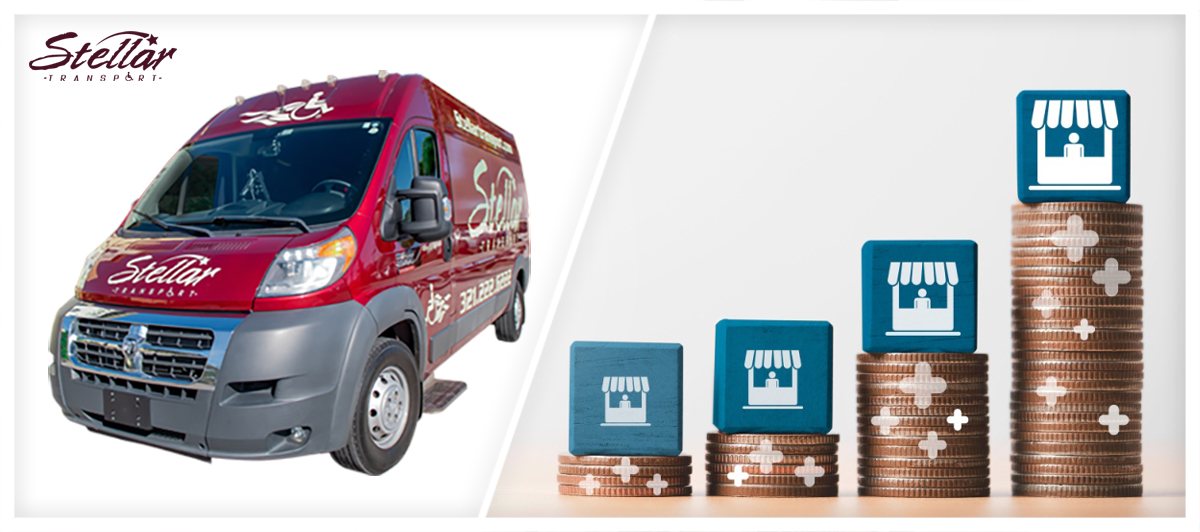
Franchising has long been a proven path for entrepreneurs seeking structure, brand recognition, and long-term growth. However, not all franchise models are built the same. In the Non-Emergency Medical Transportation sector, the combination of operational efficiency and increasing demand creates a unique opportunity. NEMT franchises offer a model that balances manageable overhead with meaningful community impact, making them especially well positioned for scalable growth.
As healthcare access becomes a growing priority nationwide, reliable medical transportation is no longer optional. It is essential. This demand creates an environment where smart franchise systems can expand thoughtfully and sustainably.
A Service Model with Controlled Overhead
One of the defining advantages of an NEMT franchise is its relatively lean infrastructure compared to many traditional franchise industries. Unlike restaurants, retail stores, or manufacturing operations, medical transportation does not require expensive storefront leases, large inventories, or complex supply chains.
The core assets are vehicles, trained drivers, dispatch systems, and scheduling software. Because the service is transportation-based rather than product-based, overhead remains focused and manageable. This structure allows franchise owners to allocate resources toward quality service, fleet expansion, and operational efficiency rather than excess physical space or inventory.
This lean model also allows new franchisees to enter the market with clearer cost forecasting and predictable growth patterns. Scaling often means adding vehicles and drivers as demand increases rather than reinventing infrastructure each time the business grows.
Growing Demand Fuels Expansion Potential
Scalability depends on demand. In the case of NEMT, demand continues to rise. An aging population, increasing chronic disease prevalence, and expanded healthcare coverage are driving consistent need for non-emergency transportation.
Patients require transportation for dialysis, physical therapy, cancer treatments, specialist appointments, hospital discharges, and ongoing care management. These are not occasional needs. Many are recurring, scheduled services that provide stable and repeat business opportunities.
Because medical transportation is directly connected to healthcare continuity, it is less vulnerable to seasonal swings or economic downturns. Appointments do not stop when the economy shifts. In fact, reliable transportation becomes even more important during times of instability.
This steady demand creates a foundation that supports thoughtful expansion into neighboring territories, additional vehicles, and long-term service contracts with healthcare providers.
Systems That Support Replication
Scalability requires repeatable systems. A strong franchise model provides standardized procedures for driver training, dispatch operations, safety protocols, compliance requirements, and customer service standards.
When these systems are already developed and refined, franchisees are not starting from scratch. They are building upon a proven operational framework. This makes expansion smoother and more predictable.
Training programs, scheduling software, route optimization tools, and marketing support all contribute to a model that can be duplicated across territories without sacrificing service quality. When brand standards are consistent and operational processes are clearly defined, growth becomes structured rather than chaotic.
In industries where trust and reliability are critical, consistency is not just beneficial. It is required.
Recurring Revenue Through Ongoing Care Needs
Another key factor in scalability is revenue consistency. Many NEMT services are tied to ongoing medical treatments that occur multiple times per week. Dialysis alone often requires three visits per week. Physical therapy can span months. Cancer treatment may require transportation over extended periods.
This recurring service model creates predictable cash flow and repeat client relationships. Franchisees are not relying solely on one-time transactions. They are building ongoing partnerships with patients, caregivers, and healthcare providers.
Over time, these relationships strengthen brand reputation within the community. Word of mouth referrals and provider recommendations naturally follow when reliability and professionalism are consistently demonstrated.
Community Impact Drives Brand Strength
While scalability is often discussed in financial terms, the human impact of medical transportation cannot be ignored. Every successful ride represents access to healthcare that might otherwise have been missed. Every reliable pickup reduces stress for a patient or caregiver.
Franchisees in this space are not simply managing vehicles. They are supporting independence, recovery, and health outcomes. That sense of purpose often fuels stronger engagement, better service standards, and deeper community relationships.
Communities notice when transportation is dependable. Healthcare providers appreciate coordination and timeliness. Families gain peace of mind. These factors strengthen brand equity, which in turn supports long-term growth and expansion into new markets.
A Model Built for Sustainable Growth
When low overhead, recurring demand, standardized systems, and meaningful service intersect, scalability becomes a natural outcome. NEMT franchises are structured to grow in measured, strategic ways while maintaining service quality.
As healthcare access continues to be a national priority, transportation will remain a vital link in the care continuum. Entrepreneurs seeking a business model that combines operational clarity with long-term expansion potential will find that medical transportation offers both stability and opportunity.
To learn more about franchise opportunities and how this scalable model works, visit us here.