
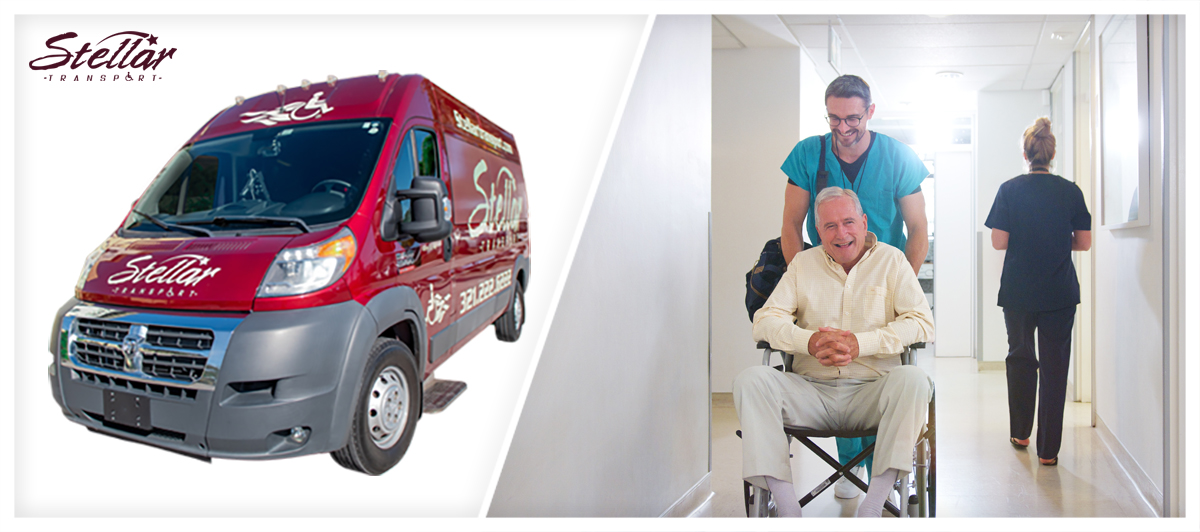
For many people, getting to a medical appointment involves more than simply finding a ride. Seniors, individuals with disabilities, patients recovering from surgery, and those with limited mobility may need additional assistance getting safely from their home to a vehicle and from the vehicle to their destination. For these patients, the short distance between the front door and the vehicle can sometimes be one of the most challenging parts of the trip.
Door-to-door assistance can make non-emergency medical transportation (NEMT) safer, more comfortable, and less stressful. By providing support throughout the transportation experience, NEMT can help patients maintain access to healthcare while reducing some of the physical challenges associated with travel.
Transportation Challenges Can Begin Before the Ride
When people think about transportation barriers, they often focus on the vehicle itself. For someone with limited mobility, however, the challenge may begin as soon as they leave their home.
Walking down a pathway, navigating a curb, managing a mobility device, or crossing a parking area can present difficulties. These challenges may become even greater for patients experiencing weakness, balance issues, chronic pain, or temporary limitations following an injury or medical procedure.
A transportation service that only provides curbside pickup may not address these concerns. Door-to-door assistance adds another level of support that can make the entire transportation experience easier to manage.
Helping Reduce the Risk of Falls
Falls can be a serious concern for seniors and people with mobility limitations. Uneven sidewalks, curbs, steps, and busy entrances can create potential hazards, particularly when someone is using a walker, cane, or other mobility aid.
Having appropriate assistance during the transition to and from the vehicle can help patients navigate these areas more carefully. Drivers who understand the needs of their passengers can provide support while allowing individuals to move at a comfortable pace.
This attention to safety is particularly valuable when patients are traveling after treatment and may be experiencing fatigue or discomfort.
Supporting Patients Who Use Mobility Devices
Wheelchairs, walkers, canes, and other mobility aids provide essential independence, but they can also make transportation more complicated. Patients may need additional time to approach the vehicle, board safely, and ensure their mobility equipment is properly accommodated.
Non-emergency medical transportation is designed with these needs in mind. Accessible transportation options can help patients travel without requiring them to leave important mobility equipment behind or struggle with a vehicle that is not appropriate for their needs.
Door-to-door assistance complements this accessibility by helping create a smoother transition between the patient’s starting location, the vehicle, and the medical facility.
Making Medical Appointments Less Stressful
Getting to a healthcare appointment can already be stressful, particularly for patients managing chronic conditions or preparing for tests and treatments. Worrying about how to navigate a parking lot or safely reach the vehicle can add unnecessary anxiety.
Door-to-door assistance helps remove some of that uncertainty. Knowing that support is available can allow patients to prepare for their appointments with greater confidence.
This predictability can also be helpful for recurring appointments. Patients attending physical therapy, dialysis, specialist visits, or other ongoing care can develop a transportation routine rather than having to solve the same logistical challenges before every appointment.
Providing Additional Reassurance for Families
Family members and caregivers frequently play an important role in helping loved ones attend medical appointments. However, providing transportation for every visit may not always be possible because of work, family responsibilities, distance, or other commitments.
When professional transportation includes appropriate assistance, families can have greater reassurance that their loved one has support throughout the trip. They do not have to rely solely on a vehicle arriving at the curb and expecting the patient to manage every part of the journey independently.
This can reduce transportation-related stress for caregivers while also giving patients another option for maintaining access to care.
Supporting Greater Patient Independence
Needing assistance does not mean giving up independence. In many cases, having the right support allows patients to remain more independent.
Someone who no longer drives may otherwise need to depend on a relative or friend for every medical appointment. With reliable NEMT and appropriate assistance, that patient can have another way to manage their healthcare schedule.
This can be especially meaningful for seniors and people with disabilities who want to maintain as much control over their daily lives as possible. Dependable transportation provides support where it is needed while helping patients continue participating actively in their own healthcare.
More Than Transportation from One Address to Another
Non-emergency medical transportation is about more than moving a passenger between two locations. For patients with mobility challenges, the quality of the experience can depend on what happens before they enter the vehicle and after they arrive.
Door-to-door assistance helps create a more supportive transportation experience by addressing some of the challenges patients may encounter along the way. With reliable service, appropriate accessibility, and patient-focused assistance, NEMT can help individuals reach important healthcare appointments with greater confidence and comfort.
For more information about dependable non-emergency medical transportation and available assistance options, contact Stellar Transport.