
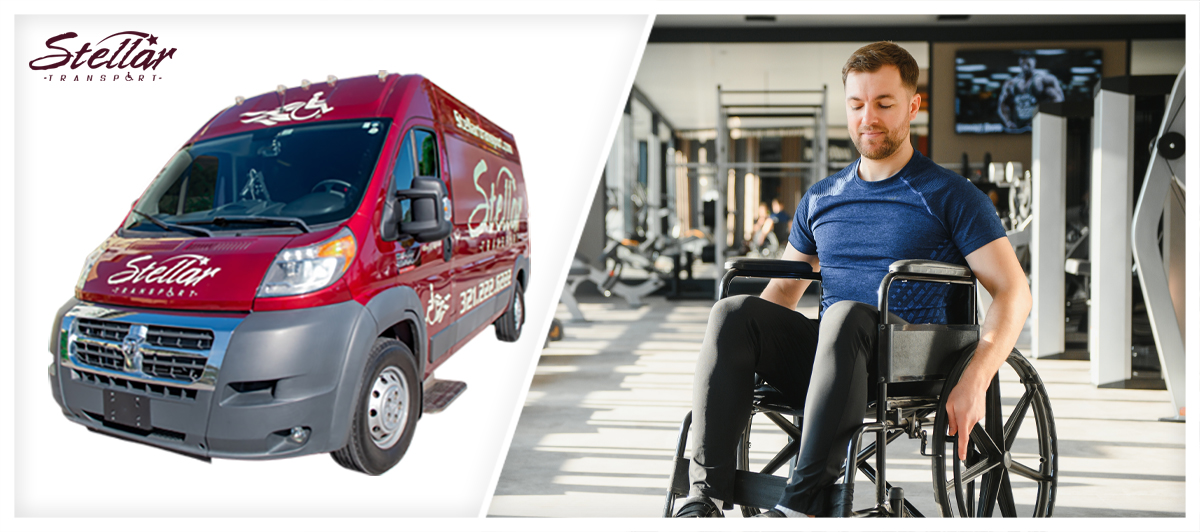
Recovering from a temporary injury can be frustrating and disruptive. Whether it is a broken leg, fractured wrist, torn ligament, or injury sustained in an accident, even short-term mobility limitations can make everyday activities much more difficult. One of the biggest challenges many patients face during recovery is getting to medical appointments safely and reliably.
While these injuries are expected to heal over time, they often create temporary transportation barriers that can interfere with treatment and recovery. Non-emergency medical transportation (NEMT) provides an important solution by helping patients continue receiving the care they need until they are able to regain their independence.
Temporary Injuries Can Create Major Transportation Challenges
Many injuries that seem temporary can significantly affect a person’s ability to travel. Patients recovering from fractures, sprains, joint injuries, or orthopedic procedures may be unable to drive due to pain, limited mobility, or physician restrictions.
Even simple tasks like getting into a vehicle, carrying crutches, or walking across a large parking lot can become difficult. Some patients may be taking pain medications that make driving unsafe, while others may have casts, braces, or mobility devices that limit their movement.
Although these challenges are temporary, they can have a lasting impact if patients cannot reach their medical appointments consistently.
Consistent Follow-Up Care Is Essential
Recovery from an injury rarely ends after the first visit to the emergency room or orthopedic specialist. Most patients require a series of follow-up appointments to monitor healing, adjust treatment plans, remove casts or stitches, and evaluate progress.
Physical therapy is also a common part of the recovery process, helping patients rebuild strength, flexibility, and mobility. Missing these appointments can delay healing and increase the likelihood of long-term complications.
Reliable transportation helps ensure patients stay on schedule with every stage of their recovery, allowing healthcare providers to monitor progress and make timely adjustments to treatment.
Supporting Patients During the Healing Process
Recovering patients often experience pain, fatigue, or limited range of motion that makes traveling uncomfortable. Non-emergency medical transportation is designed to provide a safer and more comfortable experience than traditional transportation options.
Vehicles can accommodate mobility devices such as crutches, walkers, or wheelchairs when needed. Trained drivers assist patients as they enter and exit the vehicle, reducing the risk of falls or additional injury. Door-to-door service further minimizes physical strain by helping patients avoid long walks through parking lots or busy medical campuses.
This level of support allows patients to focus their energy on healing instead of worrying about transportation.
Reducing Dependence on Family and Friends
Many patients recovering from temporary injuries rely on family members, friends, or coworkers for transportation. While loved ones are often willing to help, coordinating schedules for multiple appointments can become difficult, particularly when recovery lasts several weeks or months.
Dependable non-emergency medical transportation provides patients with greater independence during this time. Instead of feeling like they must constantly ask for rides, they can schedule transportation in advance and attend appointments with confidence.
This independence helps reduce stress for both patients and their support networks while ensuring medical care continues uninterrupted.
Preventing Setbacks in Recovery
Successful recovery depends on following medical recommendations closely. Patients who miss appointments or delay therapy because of transportation problems may experience slower healing, decreased mobility, or additional complications.
Reliable transportation helps prevent these setbacks by removing one of the most common barriers to ongoing care. When patients know they have dependable transportation, they are more likely to attend every appointment, complete rehabilitation programs, and remain engaged in their recovery.
This consistency often leads to faster healing and a smoother return to normal daily activities.
Helping Patients Return to Independence
Temporary injuries are exactly that; temporary. The goal of treatment is to help patients recover fully and return to their normal routines as safely and efficiently as possible. Reliable transportation plays an important role in helping patients reach that goal.
By ensuring access to follow-up care, rehabilitation, and medical evaluations, non-emergency medical transportation supports patients throughout every stage of recovery. It provides peace of mind during a challenging time and helps individuals regain their independence with confidence.
For more information about transportation services that support patients recovering from temporary injuries, contact Stellar Transport.