
Transportation inequity refers to the unequal access to reliable, affordable, and safe transportation services. In the context of healthcare, these disparities become even more critical. Low-income individuals, people with disabilities, seniors, and those without access to a vehicle often struggle to attend medical appointments. In many cases, public transportation is unreliable, unavailable, or physically inaccessible for patients with special mobility needs.
This situation contributes to serious health disparities. Missed appointments, delayed diagnoses, and untreated conditions are more common in communities where transportation is limited. Over time, this not only affects individual health outcomes but also increases strain on emergency services, urgent care facilities, and hospitals.
How NEMT Helps Bridge the Gap
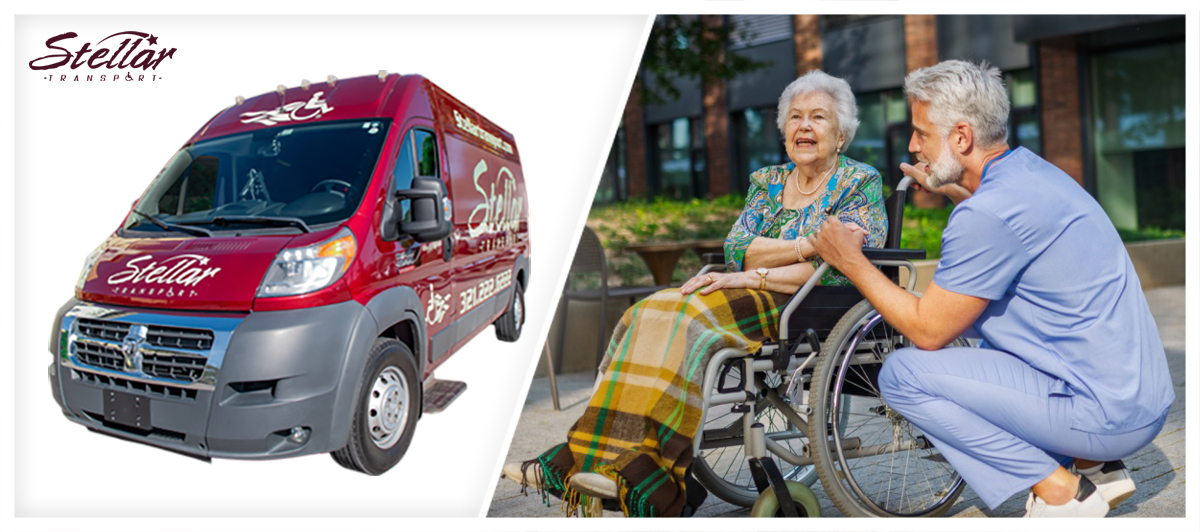
Non-Emergency Medical Transportation services are specifically designed to address the needs of individuals who face barriers getting to and from healthcare providers. These services go beyond what traditional public transit can offer. They provide door-to-door service that accommodates patients with mobility challenges, ensuring they are picked up and dropped off safely. Trained drivers are prepared to support passengers who may require assistance or who use mobility devices.
NEMT services also offer flexible scheduling for recurring treatments, last-minute appointments, and long-distance trips. This adaptability is essential for patients whose healthcare needs don’t always follow a predictable routine. Wheelchair-accessible vehicles make it possible for individuals with physical disabilities to receive reliable transportation without compromising comfort or safety. NEMT ensures that healthcare is not just a privilege for those who can drive or afford rideshares, but a right accessible to everyone, regardless of location, income, or mobility level.
Reaching Rural Communities
In rural areas, the nearest hospital or clinic may be hours away, and public transit might not exist at all. For residents without access to a personal vehicle, a single doctor’s appointment can involve days of planning or even missed care altogether. The absence of viable transportation leads to canceled appointments and worsening health issues that could have been prevented with timely care.
NEMT providers that serve rural communities often become a lifeline, enabling individuals to attend routine appointments, physical therapy, dialysis, and follow-up visits. This consistency in care can significantly improve long-term health outcomes and reduce the need for emergency interventions. By filling in the transportation gaps left by public systems, NEMT plays a key role in rural health support.
Supporting Urban Communities with Limited Transit
Urban areas are not immune to transportation inequities. While they often have public transit, not all neighborhoods are equally served. Some residents live in so-called “transit deserts,” where routes are limited or unreliable. For patients with complex health needs or disabilities, navigating crowded buses or subways can be unsafe or even impossible.
NEMT services offer a dependable alternative. Unlike taxis or rideshares, NEMT is tailored to medical travel, ensuring that patients are not only picked up on time, but that they arrive safely, with necessary accommodations and care. This specialized focus means that individuals can attend healthcare appointments with confidence, regardless of where they live within the city.
Why Equity in Transportation Matters
When patients consistently miss appointments or skip preventive screenings due to lack of transport, the consequences go beyond individual health. Preventable conditions become chronic, hospitalizations increase, and healthcare costs skyrocket. In underserved communities, this cycle perpetuates health inequity and economic disadvantage.
Transportation equity through NEMT can break that cycle. It increases early intervention and preventive care by helping patients access treatment before conditions worsen. It reduces avoidable emergency room visits, allowing hospitals to allocate resources more efficiently. Additionally, by improving medication adherence and chronic disease management, NEMT supports better long-term outcomes. Transportation access also promotes health literacy and trust in the healthcare system, two essential components of lasting public health improvement.
A Step Toward Health Equity
Solving transportation inequities won’t fix all health disparities, but it’s a meaningful and measurable place to start. When communities have access to reliable medical transportation, they have greater access to opportunity, better health, improved financial stability, and a stronger connection to care providers. NEMT is more than a ride. It’s part of the healthcare ecosystem that ensures no one is left behind due to geographic, economic, or physical barriers.
Bridging the Distance, Delivering Care
At Stellar Transport, we believe in healthcare for all, and that begins with access. Our Non-Emergency Medical Transportation services are designed to reach those in need, from underserved urban communities to remote rural regions. If you or someone you know is facing transportation barriers to care, we’re here to help.
Reach out to us today to learn more or schedule a ride. Our mission is to connect people with the healthcare they deserve; one safe, timely ride at a time. Because reliable transportation isn’t just a service, it’s a solution that changes lives.